STBL and USST Explained: How the Stablecoin System Works, Risks, and Yield

STBL sits at the centre of a “next-generation” stablecoin system that tries to do something simple but powerful: let you use a stablecoin while still keeping the yield from the assets backing it. Instead of everything being hidden in a black box, STBL’s design aims to keep collateral, yield and governance as transparent and on-chain as possible.
2026 update: what readers should check first
This refresh turns the article into a practical stablecoin decision guide. Readers should verify reserve quality, redemption access, jurisdiction, liquidity, fees, and compliance fit before choosing a token, exchange, or payment route.
Question | What to check | Why it matters |
|---|---|---|
Reserve and issuer | Issuer disclosures, reserve composition, attestations, and redemption terms. | Weak transparency can raise depeg or liquidity risk. |
Liquidity and network | Supported chains, spreads, withdrawal costs, and settlement time. | A stablecoin is only useful if it can move and redeem efficiently. |
Compliance fit | Jurisdiction, KYC, account records, and counterparty requirements. | Business payments and fiat exits depend on auditability. |
User action | Use regulated platforms, keep transaction records, and test small transfers first. | Operational mistakes are often more costly than headline fees. |
Related reading: USDT and USDC comparison | Stablecoin payments vs banking rails | Fiat-to-crypto on-ramp guide.
FAQ: stablecoin safety and use cases
Is the stablecoin fully backed, and where can users verify the reserve information?
Which network should users choose for lower fees and fewer operational mistakes?
Can the stablecoin be redeemed or converted to fiat through a regulated route?
What records should businesses keep for compliance and reconciliation?
So, What Exactly is STBL?
The Basics in a Nutshell
STBL is the governance and value-accrual token of the STBL protocol, a system that issues the USD-pegged stablecoin USST using real-world assets (RWAs) like tokenized short-term U.S. Treasuries as collateral.The protocol uses a three-token model:
USST – a USD-pegged stablecoin you can use for payments, trading, and DeFi.
YLD – a “yield claim” token/NFT that represents the right to the interest earned by the underlying RWAs.
STBL – the token that powers governance and captures protocol value (for example through staking and buybacks).
So even though the ticker looks like “stable”, STBL itself is not a stablecoin. Its price moves like other crypto assets, while USST is the stable leg.
Who Created STBL and Why?
STBL was launched by a team that includes Reeve Collins, one of the co-founders of Tether, together with other industry veterans like Dr. Avtar Sehra, who has a background in digital assets and financial engineering.Their main argument is that first-generation stablecoins usually keep most of the Treasury yield at the issuer level, while users only hold a dollar token. STBL’s design tries to:
Separate “money” from “yield” (USST vs YLD).
Keep collateral and flows visible on-chain.
Use STBL so the community can vote on collateral types, risk parameters and fees.
In short, it’s positioned as “Stablecoin 2.0”: stablecoins plus transparent, user-linked yield.
Official Websites and Where to Find More Info
Because the ticker STBL is reused by unrelated projects (for example STBL Gold), it’s important to follow the right links.
Main website: https://www.stbl.com – high-level overview and marketing.
Official documentation: https://docs.stbl.com – technical details, risk model, token design and governance.
Data pages: CoinMarketCap listing for STBL (STBL) – live price, market cap and supply.
How Does STBL Make Life Easier in Crypto?
Main Purposes and Real Uses
The protocol tries to solve two common problems: users lose yield when they hold most stablecoins, and they often can’t see how the backing works. STBL’s system lets you lock RWA collateral, mint USST to spend, and keep yield via YLD, instead of handing everything to the issuer.
Where Can You Use STBL?
STBL itself is mainly used for:
Governance voting on collateral, fees and risk tools.
Staking and incentives, where holders may earn protocol rewards when features are fully live.
Which Blockchains is it On?
STBL and USST are EVM-compatible and currently operate on chains like Ethereum and BNB Smart Chain, with cross-chain movement powered by Wormhole NTT.USST is designed to be “natively multichain”, so the stablecoin can move between supported networks while the underlying RWA collateral remains managed in the background.
How STBL Works: The Simple Explainer
How Many STBL Coins Are There?
According to the official tokenomics documentation, STBL has:
Max supply: 10,000,000,000 STBL.
Circulating supply: about 700,000,000 STBL.
How People Get STBL (and What They Can Do With It)
You can usually get STBL in two ways:
Centralised exchanges (CEXs): several global platforms list STBL spot pairs like STBL/USDT, though exact access depends on your jurisdiction and KYC status.
Decentralised exchanges (DEXs): on EVM DEXs that support the official STBL contract. Always verify the token address from the docs or CMC first.
Once you hold it, STBL can be used to vote, join staking or incentive programs, and potentially benefit when the protocol executes buybacks funded by its revenues.
Rewards, Incentives, and How it all Connects
At a high level, the flow looks like this:
Users lock RWA tokens (for example, Ondo’s USDY) as collateral.
The protocol mints USST plus a YLD NFT representing the yield rights.
Users can spend or deploy USST while yield accumulates to YLD.
The protocol earns fees and spreads that can support treasury, rewards and STBL buybacks.
Governance (via STBL) can adjust these parameters over time, so the exact reward mix may evolve.
Where and How Can I Get STBL?
Buying and Selling STBL—The Easy Way
A simple CEX flow usually looks like this:
Pick a reputable exchange that lists STBL in your region.
Open an account and complete KYC as required by local law.
Deposit fiat or a major stablecoin, then trade into an STBL pair.
If you want self-custody, withdraw STBL to a wallet that supports the right chain.
For Hong Kong and similar markets, regulators encourage using licensed platforms rather than offshore venues, especially for institutional money.
How’s the Price Doing These Days?
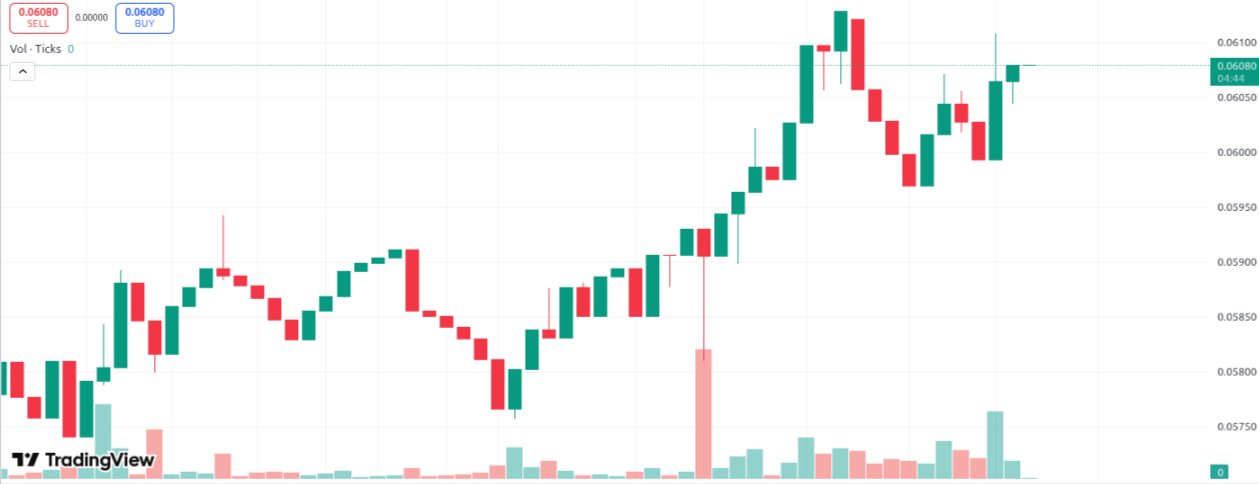
As of 2 December 2025, STBL was trading around US$0.06, with a market cap near US$30 million and daily volume in the mid-seven-figure range.
Keeping Your STBL Safe
For custody, you broadly have two options:
Self-custody:
Use reputable EVM wallets plus, ideally, a hardware wallet.
Protect your seed phrase and confirm contract addresses from stbl.com or the docs before signing anything.
Platform custody:
Some users prefer regulated custodians and licensed trading venues, especially in Hong Kong’s new stablecoin framework.
Either way, be wary of phishing links, fake airdrops, and offers promising unrealistically high returns.
The STBL Community: Who’s Involved?
Community, Support, and Social Channels
Like most Web3 projects, STBL maintains a presence on channels such as X, Discord. Telegram and LinkedIn. These are usually linked from the main homepage, which is the safest starting point.For support, the docs and FAQ cover the basics, while community channels discuss governance, integrations and roadmap updates, but they can also be noisy and promotional, so treat opinions there with caution.
Partnerships and Projects Using STBL
Ondo Finance: STBL selected USDY (Ondo’s yield-bearing dollar token) as primary collateral, enabling up to US$50 million in USST minting capacity.
Wormhole NTT: USST has also integrated Wormhole NTT, making it natively multichain between supported EVM networks.
Is There Anything to Watch Out For?
Risks and Things to Consider
Key risk areas to think about include:
Smart-contract and design risk in the STBL/USST/YLD system, even if it has been audited.
RWA risk: problems with collateral issuers (like USDY) could impact USST’s backing and stability.
Market risk: STBL is still early-stage and has shown large price swings in both directions.
Regulatory risk: stablecoins and yield products are under close scrutiny worldwide.
Tips for First-Timers
If you’re new to STBL:
Learn the three-token model first (USST, YLD, STBL) before putting in funds.
Start with small amounts and avoid leverage or complex DeFi strategies until you’re comfortable.
Prefer licensed platforms and regulated custodians where available, especially in Hong Kong.
Be sceptical of price predictions and hype threads. Treat them as opinions, not promises.
What’s Ahead for STBL?
Upcoming Plans and Features
Based on the docs and public roadmaps, key themes include:
Expanding RWA collateral types beyond the first set of tokens.
Growing USST’s multichain footprint via Wormhole and other infrastructure.
Refining staking, rewards and buyback programs aimed at aligning STBL with protocol growth.
Why Some People are Excited
Supporters point to a few factors:
A known founder profile and ties to the early stablecoin world.
A design that tries to give users transparent access to RWA-backed yield, rather than hiding it at issuer level.
Early partnerships (like Ondo’s USDY) and visible buyback activity as signs of momentum.
Start your safe cryptocurrency journey now
OSL | Secure Ramps. Trusted Rails !
More topics
More topics
Latest
Why India's $620B Bond Pilot Changed Nothing Legal
SEBI and the RBI's Demat 2.0 pilot issues corporate bonds as digital tokens and settles them with the wholesale digital rupee, preserving existing legal terms while digitizing the infrastructure beneath a $620...
Why India's $620B Bond Pilot Changed Nothing Legal
Why S&P Global Leads Kaiko: Not Hype, But 24/7 Market Infrastructure
S&P Global led a $110 million extension of Kaiko's Series B to build data infrastructure for round-the-clock tokenized markets.
Why S&P Global Leads Kaiko: Not Hype, But 24/7 Market Infrastructure
When One Firm Holds 5% of Ethereum: Infrastructure Stress Test
Bitmine's accumulation of more than 5 million staked ETH raises questions about whether custody, audit, and validator infrastructure can support single-asset concentration at public-company scale.
When One Firm Holds 5% of Ethereum: Infrastructure Stress Test
Best Enterprise Stablecoin Payment Providers: A 2026 Evaluation Framework
Compare enterprise stablecoin payment providers by use case, legal entity, workflow, controls, integration, reconciliation, support, and contract terms.
Best Enterprise Stablecoin Payment Providers: A 2026 Evaluation Framework
How to Reconcile a USDGO Payment: An Illustrative Finance-Close Example
See how Finance can trace a USDGO payment from an approved obligation through payment records, recipient confirmation, reconciliation, and accounting close.
How to Reconcile a USDGO Payment: An Illustrative Finance-Close Example
A USDGO Reserve Review in Practice: Findings, Limits and Follow-up Questions
Review what the July 2026 USDGO reserve attestation establishes, what it does not prove, and which issuer, redemption, and liquidity questions remain.
A USDGO Reserve Review in Practice: Findings, Limits and Follow-up Questions
Recommended for you
More topics
More topics
